What can you see inside Wahiba Sands?
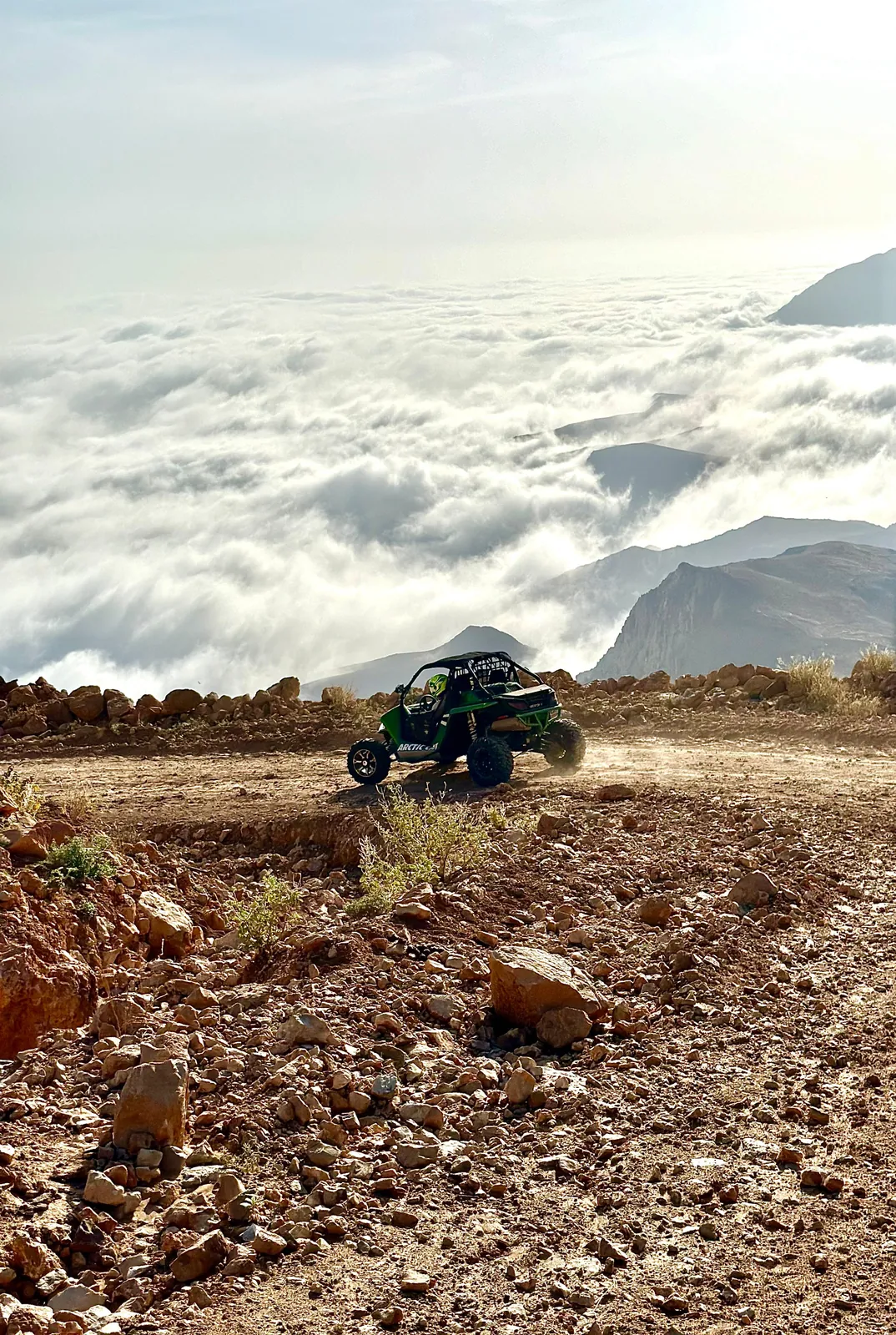
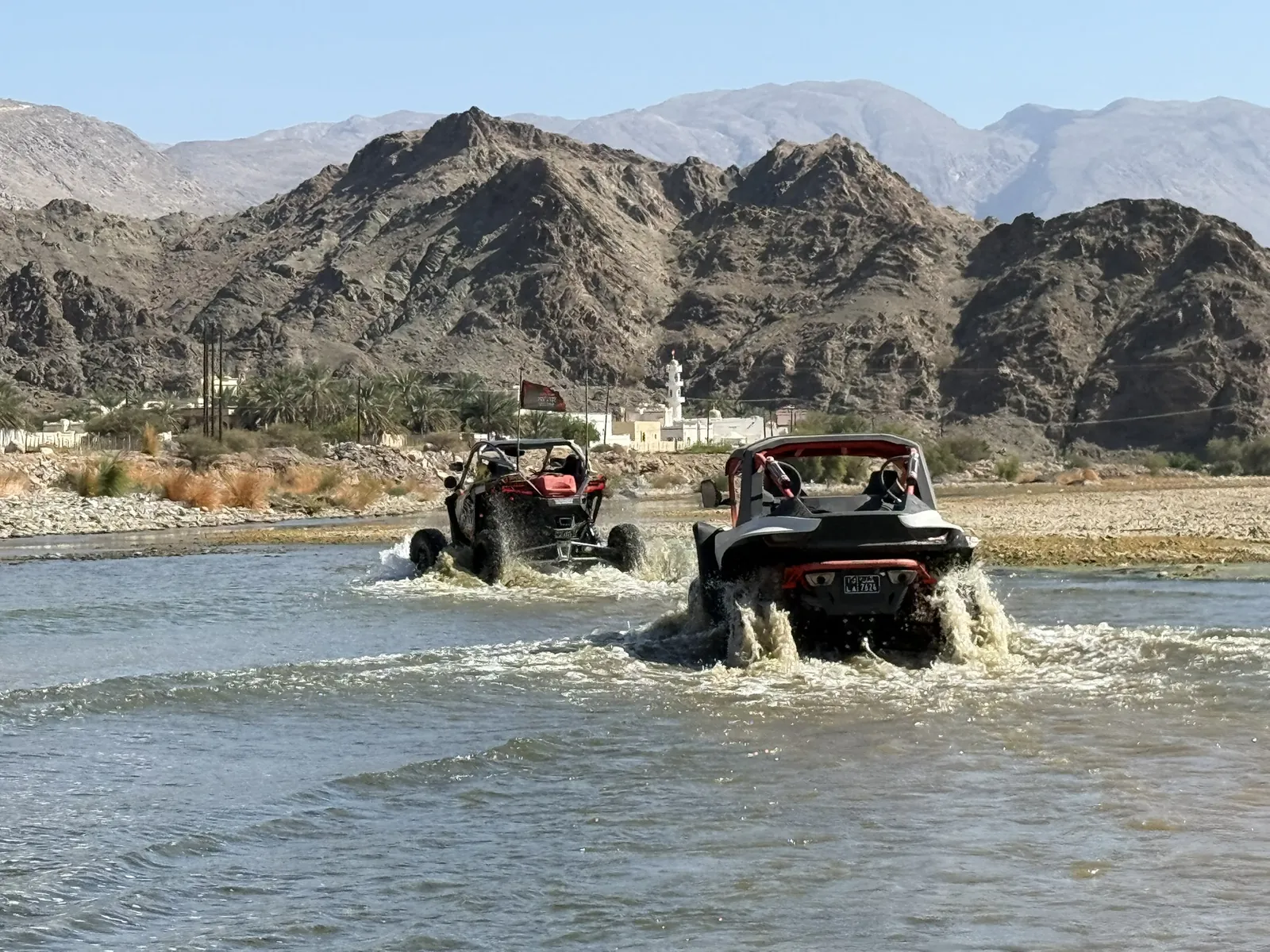
Inside Wahiba Sands, also known as Sharqiya Sands, the landscape includes dune ridges, broad sand bowls, open tracks, patches of vegetation and areas used by local communities and livestock. Wildlife may appear, but sightings are never guaranteed. A longer crossing towards the Arabian Sea reveals the transition from desert to coast.
From the edge, the desert can seem like one scene: sand stretching to the horizon. Spend a day travelling through it and the details become the story. A ridge opens into a bowl. A tree gives the group somewhere to pause. Tracks point towards places where people live and work.
The reward is not a single attraction hidden in the middle. It is seeing how much the landscape changes between Al Rakah and the coast.
The shape of the sand keeps changing
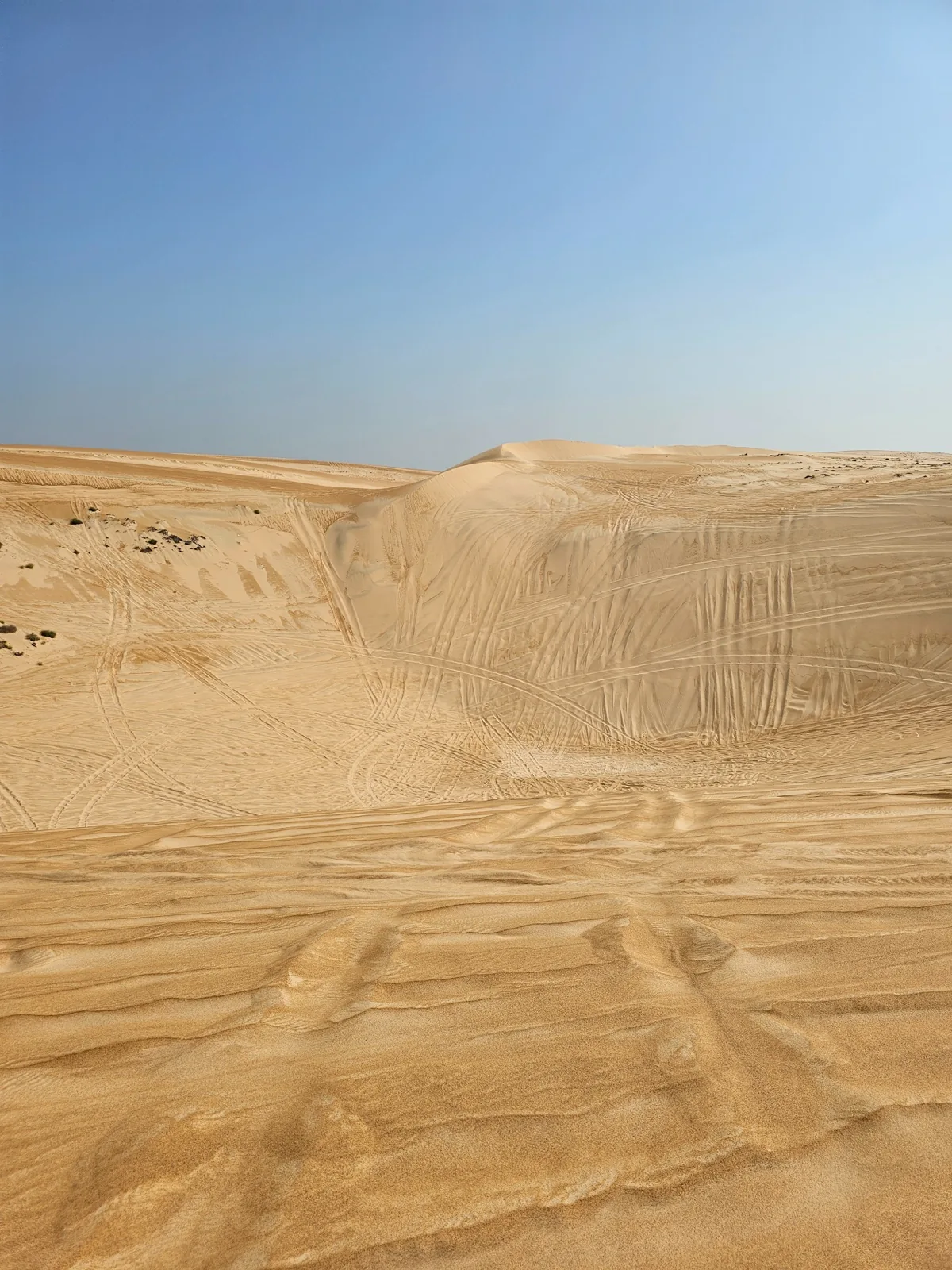
Long dune systems can open into natural depressions surrounded by sand. From inside a bowl, the horizon feels close; from a crest, it expands again. That repeated change of scale is one reason a crossing feels different from staying near the first dunes.
For a driver, these shapes need attention. A ridge may conceal a drop, and a smooth-looking face may be soft. The guide chooses the line and adapts it to conditions. Admiring the landscape and reading it are connected parts of the drive.
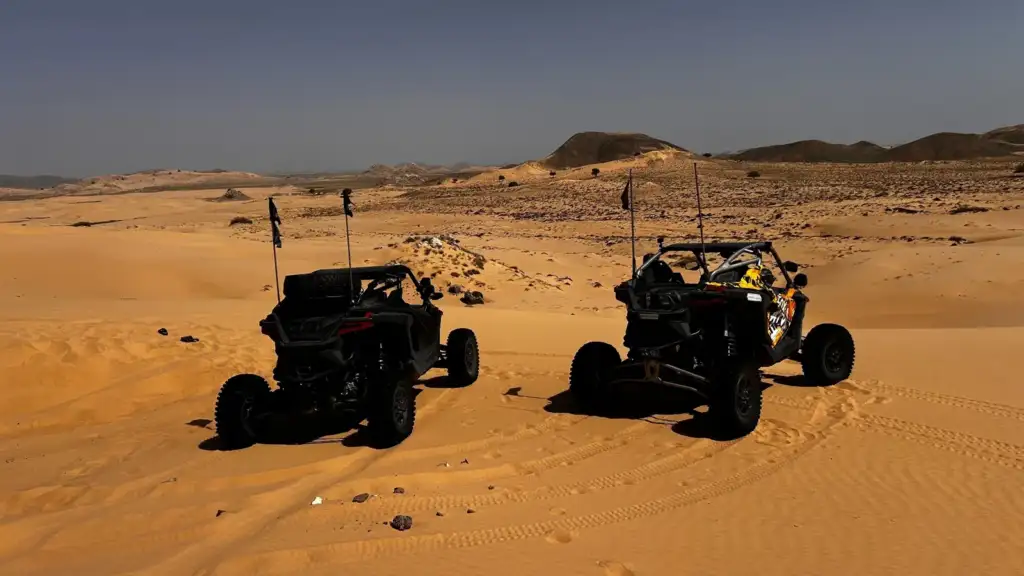
The colours are never quite the same
Light changes the sand through the day. Different sections can look gold, pale or orange, with vegetation and ground conditions adding more variety. Photographs from one stop cannot capture the appearance of the entire crossing.
That is why we leave room for pauses when the route allows. The point is to notice the place you are travelling through, as well as to enjoy driving it.
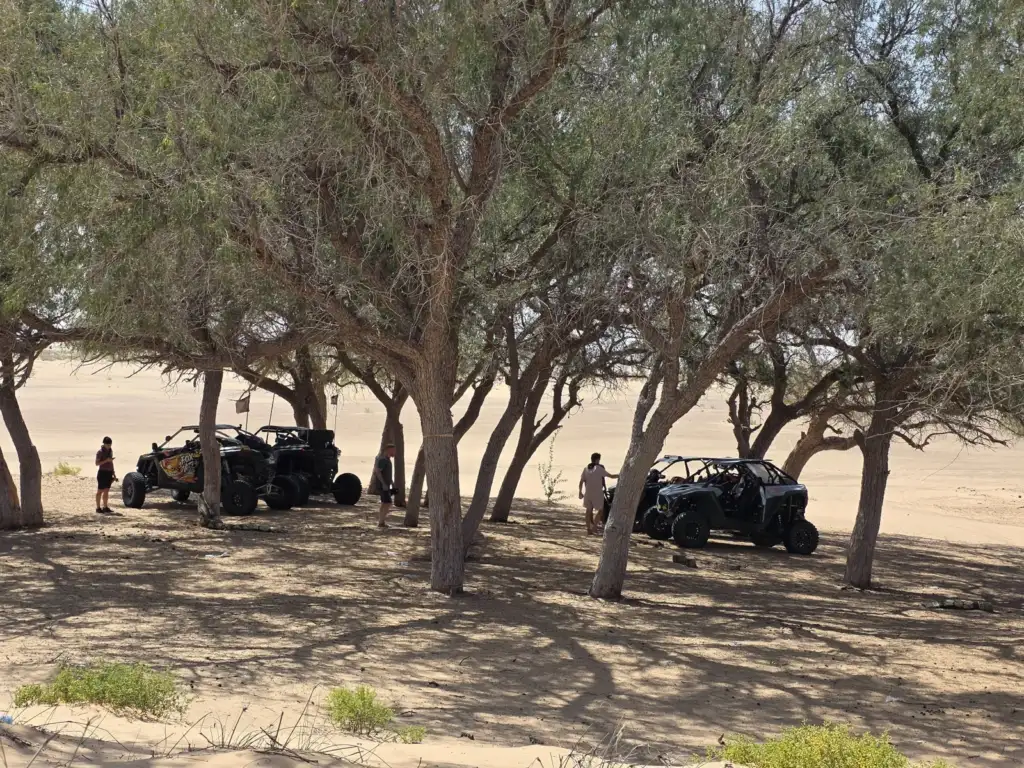
A patch of shade can become a memorable stop
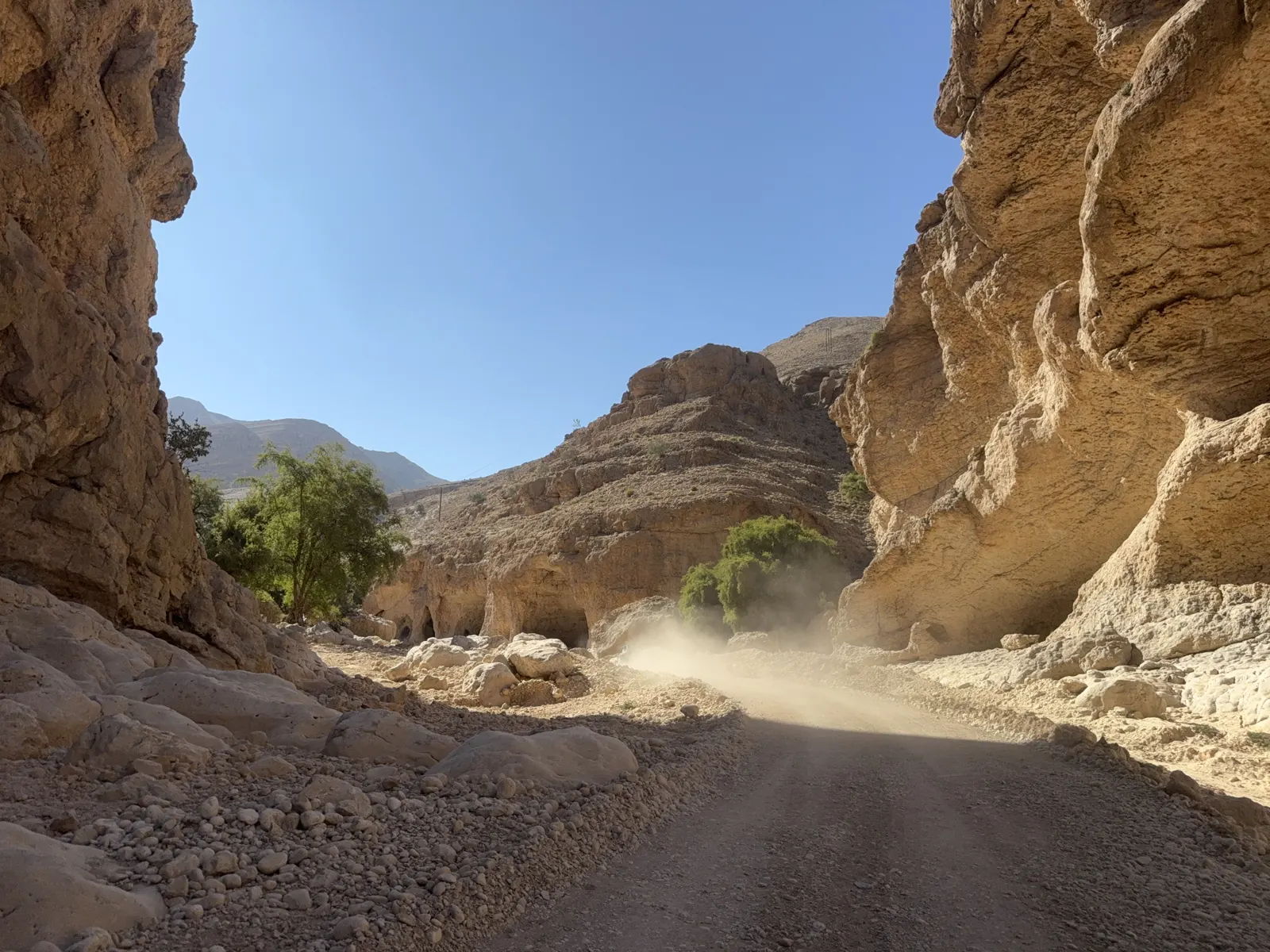
Trees and smaller plants appear in parts of the desert landscape. A shaded pause changes the rhythm of a long journey: engines stop, water comes out and the group has time to look around.
The supplied FOX ATVS route photographs show that contrast clearly. Open dunes and shade stops belong to the same journey, even when they feel like different places.
Wildlife and livestock belong to the landscape
On our desert journeys, birds and occasional foxes or rabbits may be seen. Goats and other livestock are associated with areas used by local families; cattle can also be a surprising sight. These are possible encounters, never a promised wildlife programme.
Animals and communities deserve space. Follow the guide, slow down where instructed, keep away from homes and livestock, and leave each stop as you found it. A living landscape asks for consideration throughout the journey.
Then the Arabian Sea changes the picture
The sea is a major landmark of Wahiba Sand-to-Sea. Reaching it after hours in the sand makes the contrast feel larger: an open blue horizon after dune after dune.
Coastal driving depends on tide, sea and access conditions. The route may be adjusted, including the beach section. You can read how the team plans around the coast before deciding whether the full-day experience suits your trip.
How much time should you give this landscape?
A short dune adventure offers a focused introduction. A full-day loop offers more terrain and a greater sense of distance, with a larger commitment of time and energy.
For Sand-to-Sea, allow approximately nine hours. The loop can reach about 400 km, subject to conditions, and returns to Al Rakah. Your decision is about the kind of day you want to experience, not simply how many kilometres you can add to an itinerary.
Plan your Sand-to-Sea adventure
Give this landscape a full day. Explore Wahiba Sand-to-Sea for the route, two-seat vehicle price, inclusions and participant requirements. For a shorter dune experience, see Desert Rush.
Keep exploring
By the FOX ATVS team. These notes draw on our route planning and driving in Oman. Conditions and operating arrangements can change; check the adventure details before booking.
FOXATVs · Oman